Compare
Canova vs Traditional Studio Photography
For most jewellery and watch brands, the question isn't whether Canova works. It's what changes when you switch from a booked studio to Canova. This covers costs, timelines, creative control, and output quality based on what brands working in both workflows have found.
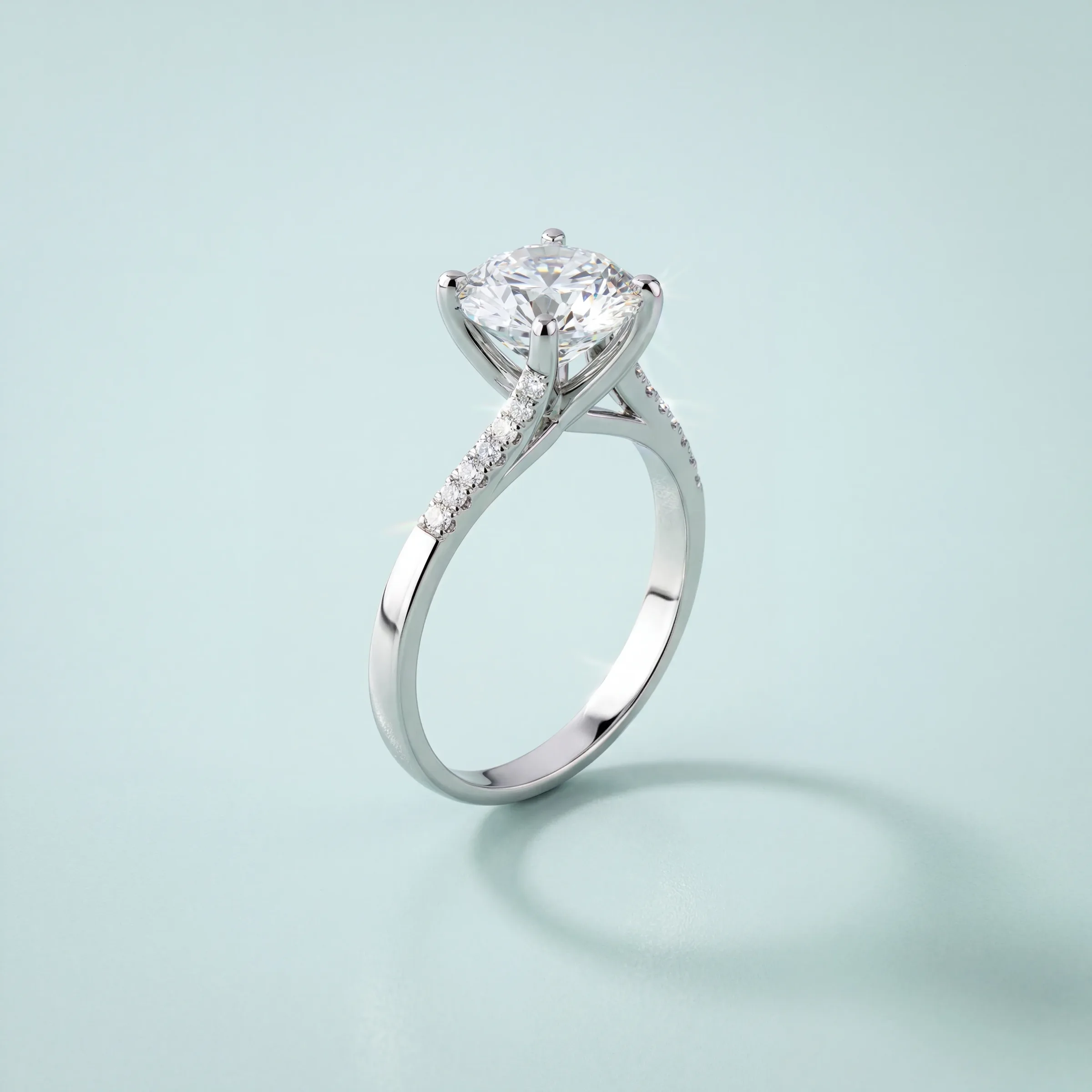
What changes
Traditional studio
A standard jewellery or watch shoot involves booking a photographer with category experience, renting studio space with appropriate lighting rigs, coordinating samples and props, shooting, culling, and retouching. For a collection of twenty pieces, this typically takes two to three weeks from brief to finished images and costs between €3,000 and €15,000 depending on the team and scope.
With Canova
With Canova, the process starts with uploading a product photo, sketch, or CAD file. You select the output type (packshot, lifestyle scene, on-model), set the visual direction through reference images and composition controls, and generate. For the same twenty-piece collection, the visual production cycle drops to a few days at a fraction of the cost.
What stays the same
What stays the same
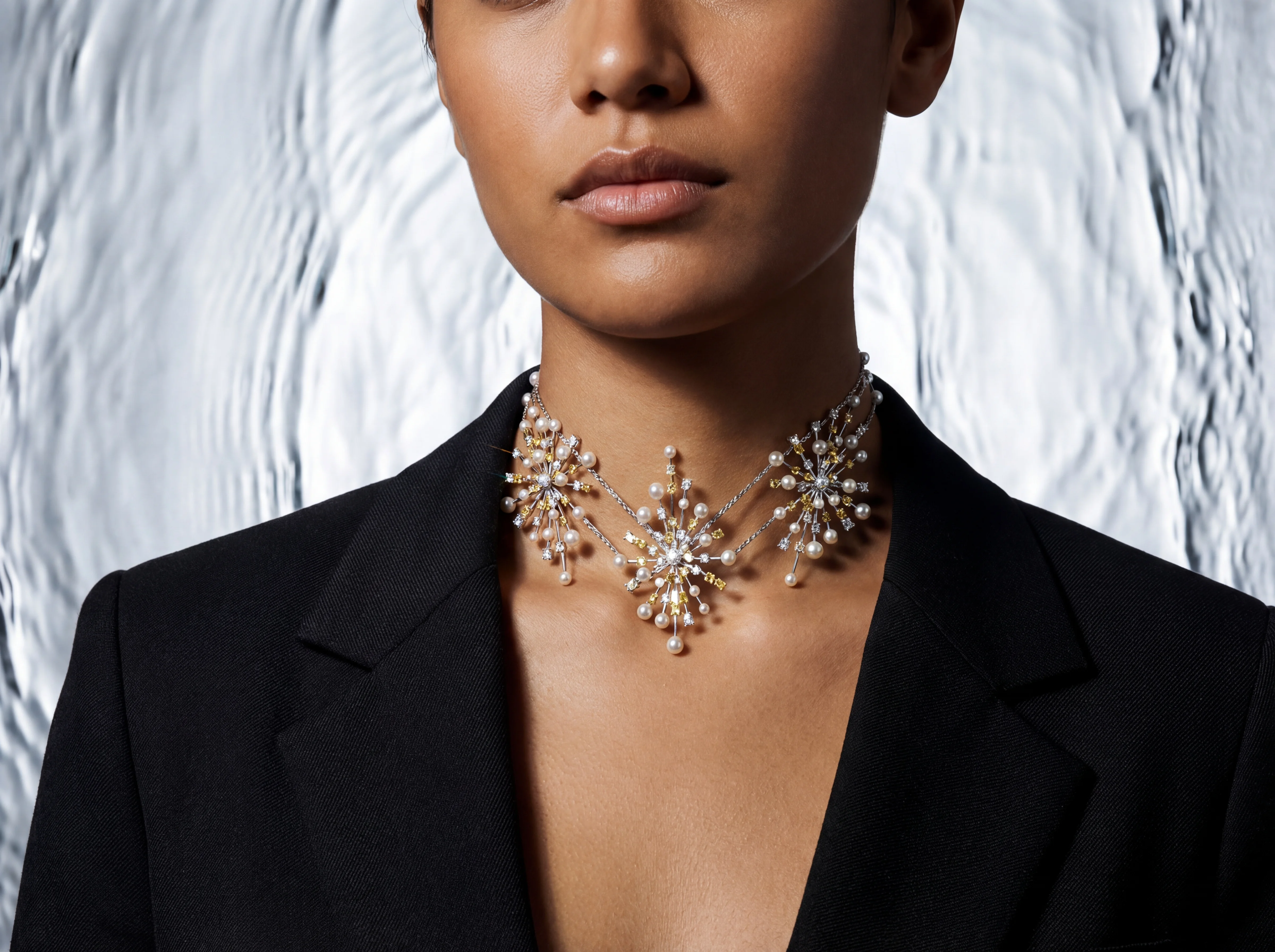
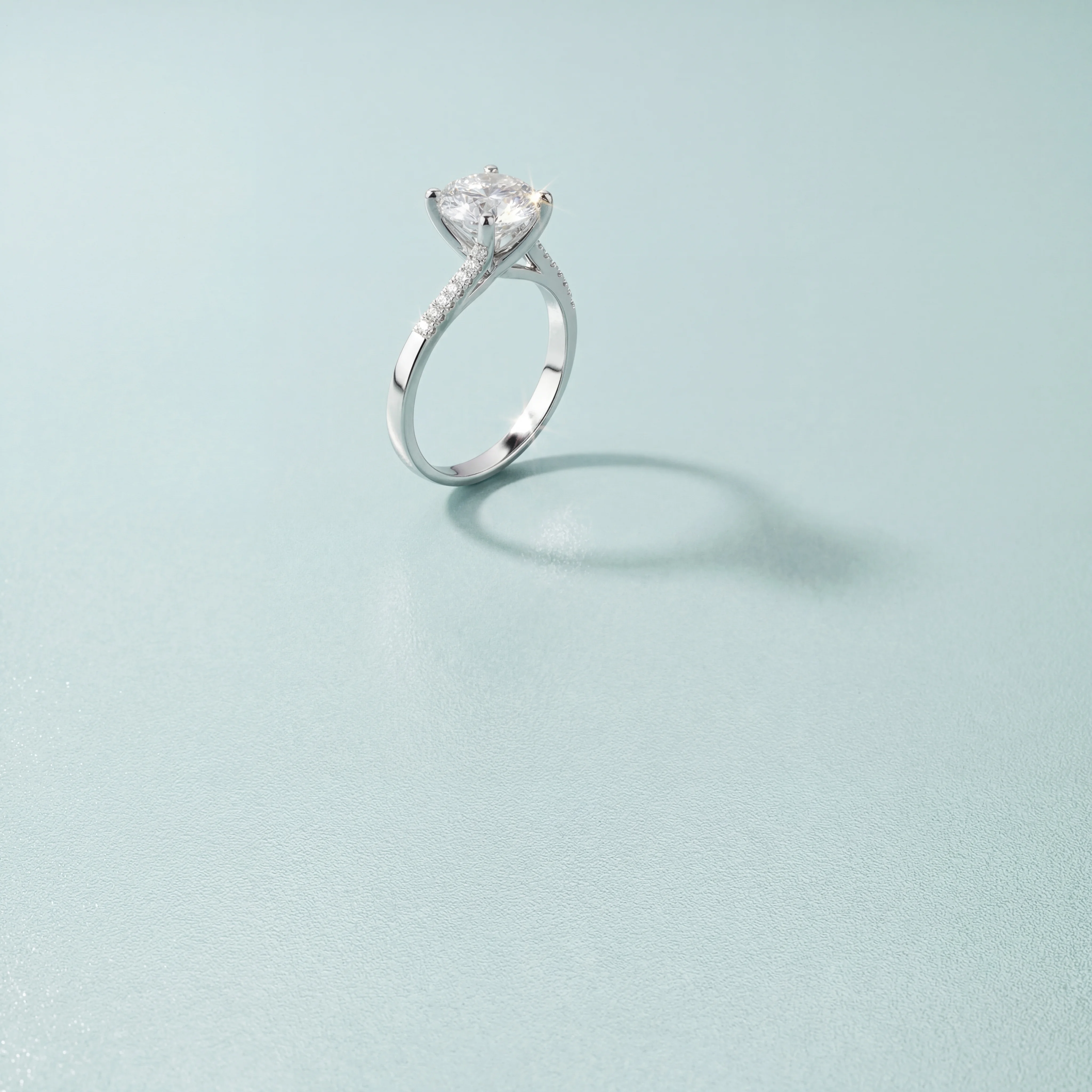
Material credibility. For jewellery and watches, AI photography that doesn't handle light, facets, and surface texture with precision doesn't hold up. Canova is built around this constraint. The output needs to be correct about the product, not merely plausible.
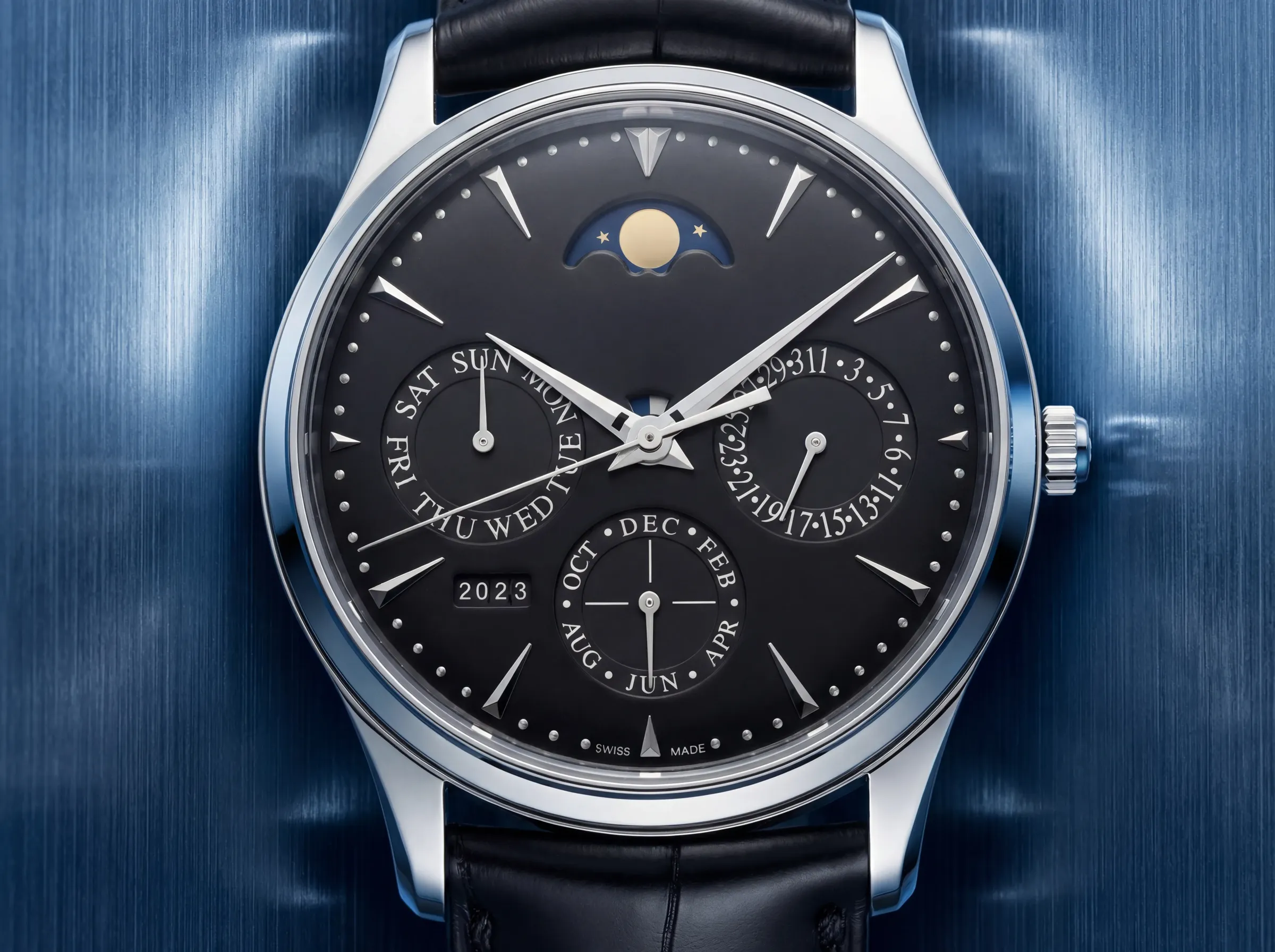
Canova output quality
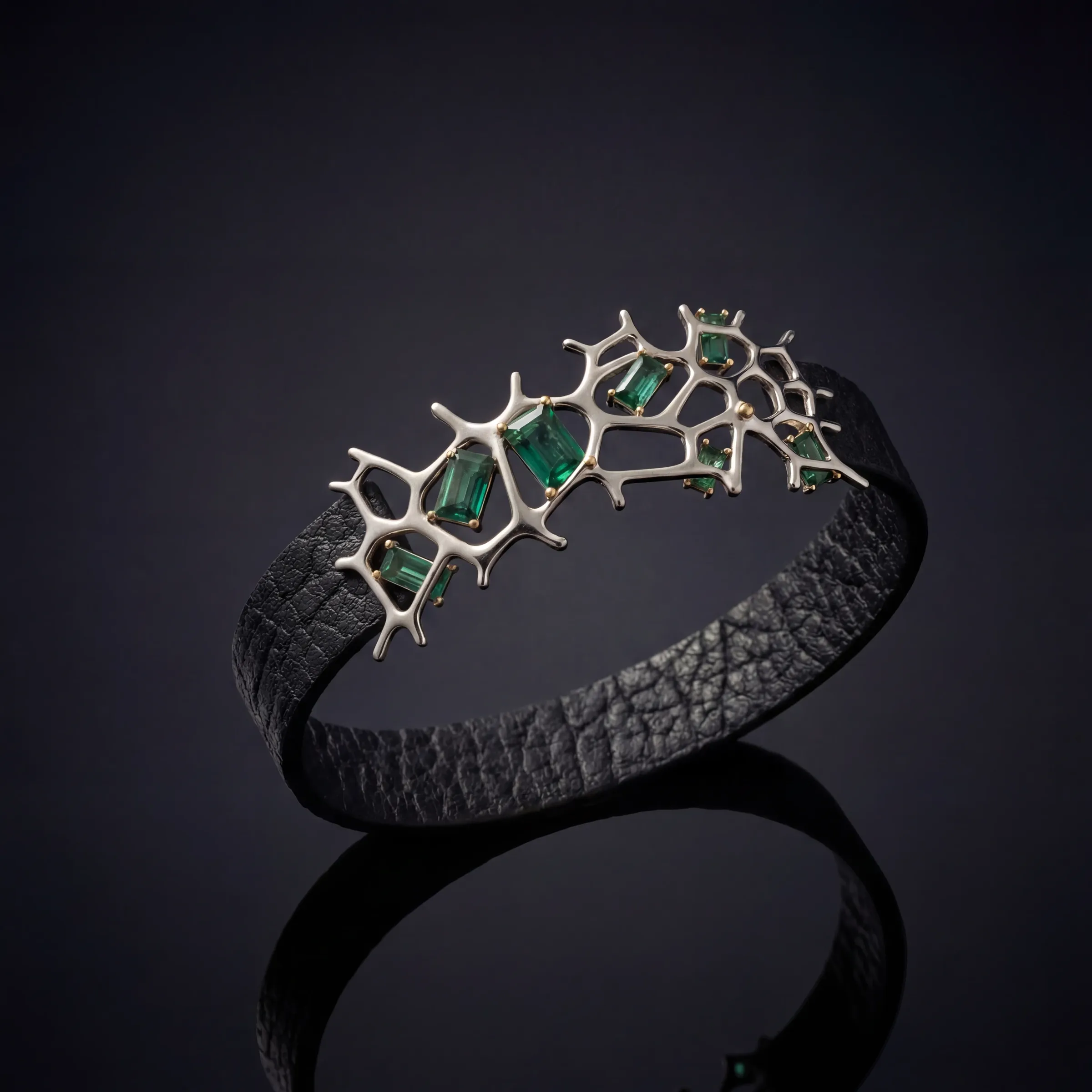
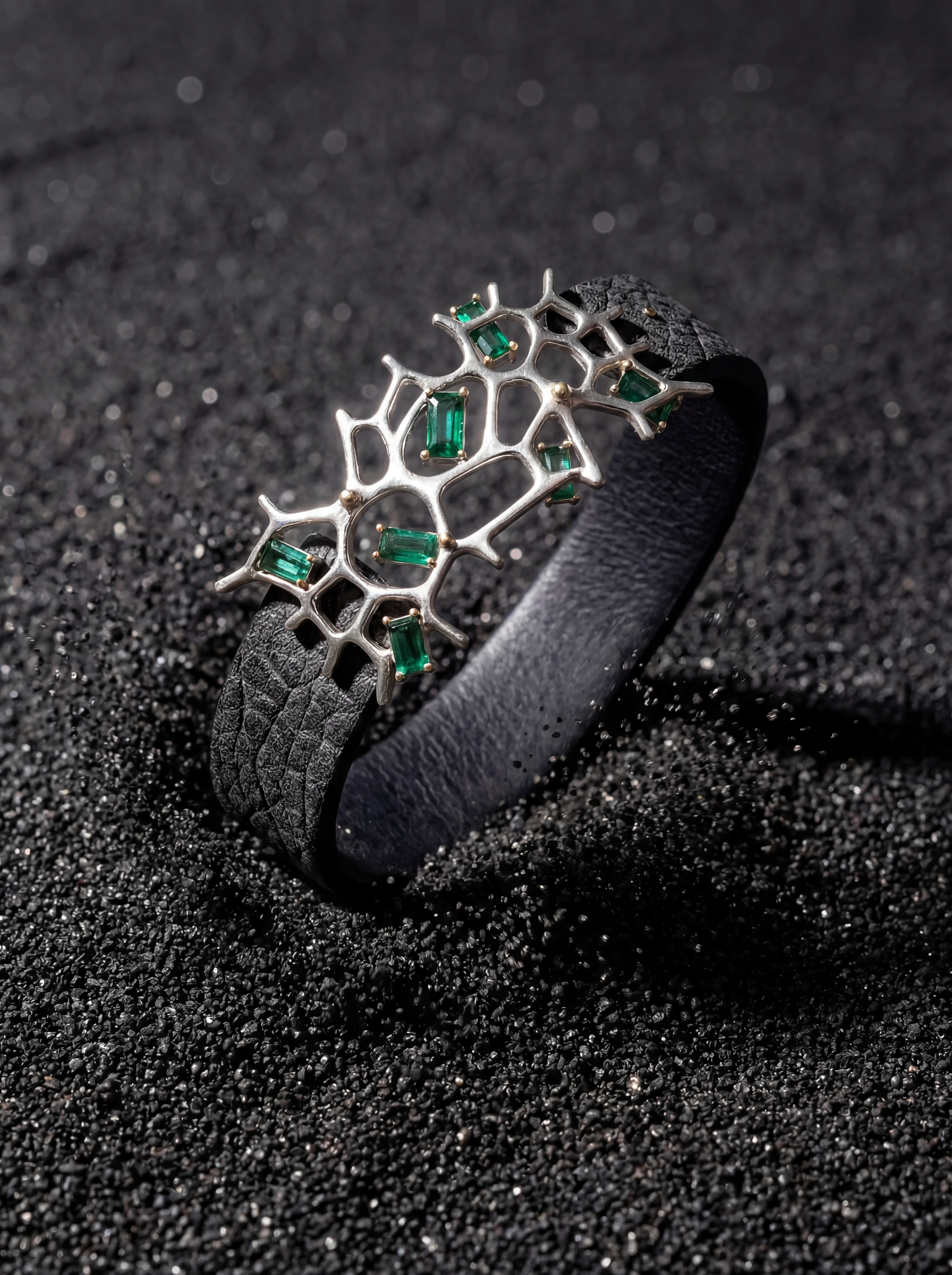
Also explore
Canova vs Photoroom
See when a fast editing tool is enough and when full image generation matters. A practical comparison for jewellery and watches.
Visual Production Guide
A broader framework for scaling premium product imagery across launches, catalogs, and ongoing team workflows.
Jewellery Campaign Guide
Learn how to build a campaign set from one product input. Covers packshots, lifestyle scenes, and launch-ready formats.